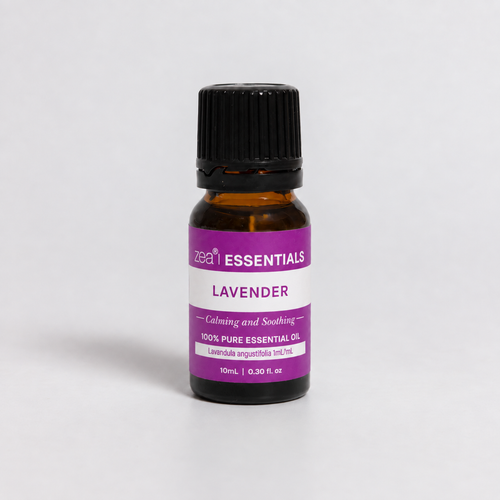
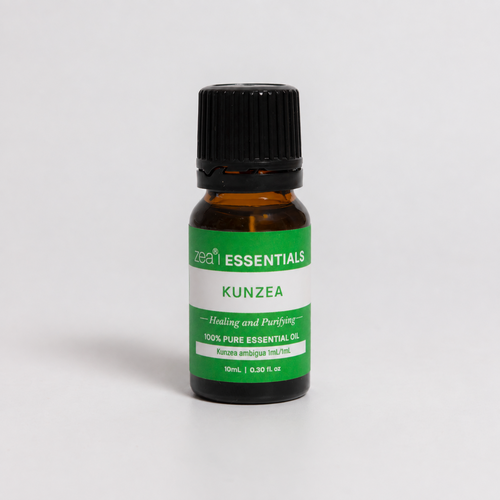
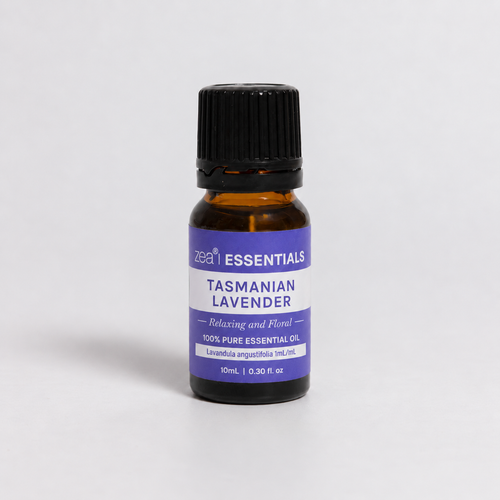
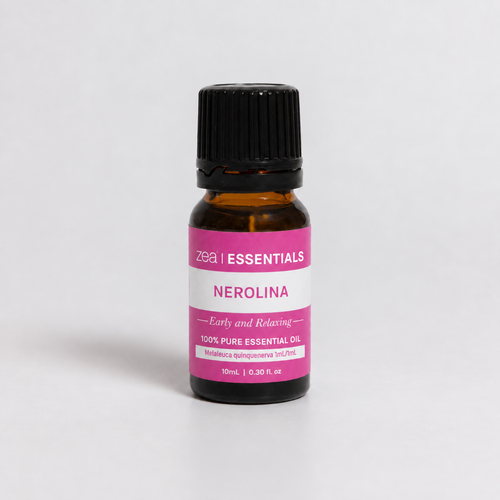
You know the feeling. A tension headache tightening at your temples by 3pm. Sore, stiff muscles after a big week. That restless, wound-up sensation that makes it impossible to switch off at the end of the day.
When the body is holding onto pain and stress at the same time which, if we’re being honest, is most of the time, what you reach for matters. And for thousands of years, humans have been reaching for Lavender.
Lavender isn’t just a beautiful scent. It’s one of the most researched botanical ingredients in the world, with a remarkable ability to ease physical pain, release muscle tension, calm the nervous system, and support the body’s natural recovery. Here’s what the science says, and how to put it to work.
What Is Lavender?
Lavender (Lavandula angustifolia) is a flowering herb native to the Mediterranean region. It belongs to the mint family and has been cultivated across Europe, North Africa, and Australia for centuries.
Its name comes from the Latin word lavare, meaning “to wash”, a nod to its ancient role in cleansing rituals and therapeutic baths. Ancient Romans added it to their baths for muscle recovery. Ancient Egyptians used it in ritual preparations and medicine. Evidence of Lavender has even been found among the treasures in Tutankhamun’s tomb, dating back to around 1323 BCE, a testament to how deeply this plant was embedded in ancient healing traditions.
Today, Lavender Essential Oil is extracted from the plant’s flowering tops using steam distillation, a process that concentrates its most therapeutic compounds into a pure, potent oil.
The Active Compounds That Make It Work
Two naturally occurring compounds in Lavender Essential Oil drive most of its therapeutic effects:
• Linalool: makes up around 35% of Lavender Oil. It’s the compound most associated with pain relief, anti-inflammatory activity, and calming of the nervous system.
• Linalyl acetate: makes up around 51% of Lavender Oil. It works alongside linalool to deepen the analgesic effect, reduce muscle tension, and support the body’s recovery response.
Together, these compounds interact with the nervous system to interrupt pain signals, reduce inflammation, and shift the body from a stress state into a calmer, more settled one.
This is why Lavender works from the inside out, not just masking discomfort, but actively supporting the body’s natural processes.

Lavender For Pain Relief & Muscle Tension
This is where Lavender’s story gets genuinely impressive, and where it matters most for everyday wellbeing.
Research found that Lavender and its key compounds; linalool and linalyl acetate, have significant analgesic (pain-relieving) and anti-inflammatory properties. In laboratory studies, Lavender reduced pain responses with effects comparable to conventional pain medications, and inhibited inflammatory pathways in a way that makes it particularly useful for muscle and joint discomfort.
In other words: Lavender isn’t just relaxing. It actively works on pain.
Headaches and Tension Pain
Lavender has been studied specifically for headache relief. A clinical study found that inhaling Lavender Essential Oil significantly reduced the severity of migraine headaches compared to a placebo, with participants reporting meaningful improvement in pain intensity within just 15 minutes of inhalation. For everyday tension headaches, the combination of topical application to the temples and neck with inhalation provides a one-two approach that many people find genuinely effective.
Muscle Tension and Soreness
The anti-inflammatory action of linalool makes Lavender particularly well-suited to tight, overworked muscles. Whether it’s neck and shoulder stiffness from hours at a desk, lower back tension from a long day on your feet, or the general body soreness that comes with stress, a warm Lavender compress or diluted topical application can meaningfully ease the load.
Joint Discomfort
Lavender’s anti-inflammatory compounds help reduce the localised inflammation that contributes to joint pain and stiffness. When applied topically (always diluted in a carrier oil), it can support comfort and mobility, particularly when used consistently as part of a daily routine.
How To Use Lavender For Pain Relief:
• Dilute 4-6 drops of Lavender Essential Oil in a tablespoon of carrier oil (Coconut, Jojoba, or Sweet Almond work well) and massage directly into the area of tension or discomfort
• Add 2-3 drops to cupped palms, rub together, and inhale deeply for headache relief, repeat every 5-10 minutes as needed
• Apply a warm compress: add 5-6 drops to a bowl of warm water, soak a cloth, wring it out and rest it over sore muscles or aching joints for 10-15 minutes
• Dilute and apply to the temples and base of the skull for tension headaches, using slow, circular movements to encourage blood flow

Lavender For Calm & Better Sleep
Pain and sleep are deeply connected, when the body is in discomfort, rest becomes elusive. When rest is elusive, the body’s ability to manage pain diminishes. Lavender addresses both sides of this cycle.
A 2025 study of 628 adults concluded that Lavender Essential Oil significantly improved sleep quality, people fell asleep more easily, slept more deeply, and woke feeling more rested.
When you inhale Lavender, the scent molecules travel to the limbic system, the part of your brain that manages emotion, memory, and the stress response. Linalool and linalyl acetate interact with receptors in this area, producing a natural, gentle sedative effect. No grogginess. No dependency. Just your body being supported into the rest it actually needs.
Lavender also works for anxiety and nervous tension throughout the day. Research found it has anxiolytic (anti-anxiety), mood-stabilising, and sedative properties, useful for those stretched, overwhelmed moments when everything feels like too much.
Ways To Use Lavender For Sleep And Calm:
• Diffuse 5-8 drops of Lavender Essential Oil in your bedroom 30 minutes before bed
• Apply a Calming Roll On to your wrists or temples as part of your wind-down routine
• Inhale directly from cupped palms during stressful moments during the day
Lavender For Skin Health
Applied topically (always diluted), Lavender Essential Oil offers meaningful support for skin health too.
Research studies on Lavender and wound healing provided encouraging results: wounds treated with Lavender healed faster, showed increased collagen production, and demonstrated better tissue repair compared to untreated wounds.
Lavender’s natural antimicrobial and anti-inflammatory compounds help reduce bacteria, calm irritation, and support the skin’s own healing process, making it useful for minor cuts and grazes, dry or irritated skin, skin prone to redness or inflammation, and acne-prone skin.
How To Use Lavender Essential Oil
-
Diffuser (aromatherapy): Add 5-10 drops to a diffuser with water and run for 30-60 minutes. Best for stress relief, headache management, sleep support, and general calm.
-
Topical application for pain and tension: Dilute 4-6 drops in a tablespoon of carrier oil and massage into the affected area. For headaches: temples, forehead, and the back of the neck. For muscle pain: directly over the tense or sore area.
-
Inhalation: Add 2-3 drops to cupped palms, rub together, hold near your nose, and inhale slowly. Quick and effective for acute pain flare-ups or moments of stress.
-
Warm compress: Add 5-6 drops to warm water, soak a cloth, and apply to sore muscles or aching joints for 10-15 minutes.
-
Bath time: Add 6-10 drops to a small amount of carrier oil or bath dispersant first, then add to your bath. A warm Lavender bath after a physically demanding day supports both muscle recovery and sleep.
Bringing Lavender Into Your Routine With Zea
At Zea, we believe in the power of plants, and Lavender has earned its place in our formulations.
Our Tasmanian Lavender Essential Oil is 100% pure and single-origin, sourced from Tasmania, where the cool climate produces a particularly rich, complex oil. No synthetic additives, no fillers. Use it in your diffuser, in a massage blend for sore muscles, or in a warm bath after a long day.
For a ready-to-use topical option, the Calming Therapeutic Roll On contains a beautifully balanced blend of Lavender and complementary botanicals, perfectly diluted and ready to apply to temples, wrists, or the back of the neck. It’s the one to keep in your bag for headaches and tension on the go.

If you prefer a cream format for pain relief, the Kunzea Pain Relief Cream is worth keeping close. Formulated with Kunzea, Tasmanian Lavender and other botanicals, it absorbs quickly and works directly on sore muscles, joint discomfort, and areas of tension, making it a great everyday option for targeted, hands-on relief.
If you love lavender blended with other calming botanicals, the Calming Lifestyle Blend uses Lavender Essential Oil for a deeply grounding diffuser blend, ideal for your evening wind-down or meditation practice.
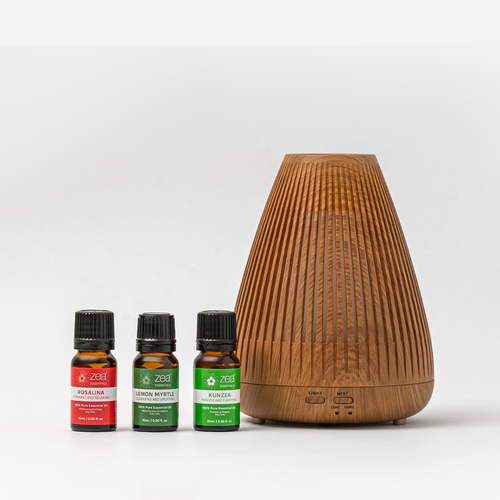
For those specifically dealing with headaches and head tension, our Headache Ease Trio is a beautiful place to start, three pure essential oils chosen specifically to help clear and refresh the mind and ease the grip of a headache.
And for a truly restorative end to the day, the Kunzea Bath Salts have the calming depth of Lavender, dissolved in a warm bath. They're one of the simplest and most effective ways to let the body decompress, ease tension, and prepare for sleep.
Final Thoughts
Lavender is one of those rare ingredients that has stood the test of time for a reason. Trusted for thousands of years, studied by modern science, and gentle enough for every day, it is one of the most versatile and effective botanical tools you can keep in your wellness routine.
Whether you’re managing everyday tension and sore muscles, looking for support with headaches, or simply trying to wind down at the end of a long week, Lavender is there for it. Let it do what it does best.
Please note: Lavender is a wonderful complementary support for everyday pain and tension. For chronic, severe, or persistent pain, always consult your healthcare provider.
References
-
Koulivand, P. H., Khaleghi Ghadiri, M., & Gorji, A. (2013). Lavender and the nervous system. Evidence-Based Complementary and Alternative Medicine, 2013, 681304. https://doi.org/10.1155/2013/681304
-
Samuelson, R., Lobl, M., Higgins, S., Clarey, D., & Wysong, A. (2020). The effects of lavender essential oil on wound healing: A review of the current evidence. Journal of Alternative and Complementary Medicine, 26(8), 680-690. https://doi.org/10.1089/acm.2019.0286
-
Sasannejad, P., Saeedi, M., Shoeibi, A., Gorji, A., Abbasi, M., & Foroughipour, M. (2012). Lavender essential oil in the treatment of migraine headache: A placebo-controlled clinical trial. European Neurology, 67(5), 288-291. https://doi.org/10.1159/000335249
- Shen, H., Zhang, L.-J., & Zhu, W.-Y. (2025). The sleep-enhancing effect of lavender essential oil in adults: A systematic review and meta-analysis. Holistic Nursing Practice, 40(2), 105-118. https://doi.org/10.1097/HNP.0000000000000734