If you shave and you have ever ended up with red, itchy bumps afterwards, you have probably called it "razor burn" no matter what was actually going on. But razor burn, razor bumps and ingrown hairs are three different things, with three different causes and three different fixes. Knowing which one you have is the first step to actually sorting it out.
This guide breaks down the difference, walks through prevention and treatment steps backed by dermatology sources, and covers when a bump on your face is worth a trip to the doctor rather than another shave.
Razor burn vs razor bumps vs ingrown hairs: what is actually happening
These three terms get used interchangeably, but they describe different things happening to the skin. Razor burn is simple mechanical irritation. Razor bumps, medically known as pseudofolliculitis barbae, are a specific inflammatory reaction to hair re-entering the skin. Ingrown hairs are the broader category that pseudofolliculitis barbae sits inside, and can happen anywhere hair is removed close to the skin, not just the face.
| Condition | What is happening | Timing | Look and feel |
|---|---|---|---|
| Razor burn | Mechanical irritation from the blade dragging across skin, often worsened by a dull blade, dry shaving or shaving against the grain | Appears within minutes of shaving, usually settles within a day | Diffuse redness, stinging, tightness - no distinct bumps |
| Razor bumps (pseudofolliculitis barbae) | A shaved hair curls back and pierces the surrounding skin (or curls beneath the surface before it exits), and the body mounts an inflammatory response to it as if it were a foreign object1 | Builds over 1-3 days after shaving, can persist for weeks if shaving continues | Firm, raised, often skin-coloured or pink papules, most common on the neck and jawline, more common with coarse or curly hair2 |
| Ingrown hair (general) | A cut or plucked hair grows back into the skin instead of out through the follicle opening - can happen from shaving, waxing, plucking or tweezing, anywhere on the body | Days to weeks after hair removal | A small, sometimes dark or trapped hair visible under the skin, occasionally with a small pustule |
Pseudofolliculitis barbae is not a cosmetic quirk you can wish away with a better razor alone. It is a defined dermatological condition, most often affecting the beard area of people with tightly coiled or curly facial hair, because curved hairs are more likely to curl back into the skin once cut at an angle1.

Prevention: the steps with real dermatological backing
None of these steps are exotic. The dermatological literature on pseudofolliculitis barbae consistently points to the same handful of shaving habits13, and they apply just as well to preventing ordinary ingrown hairs anywhere else on the body.
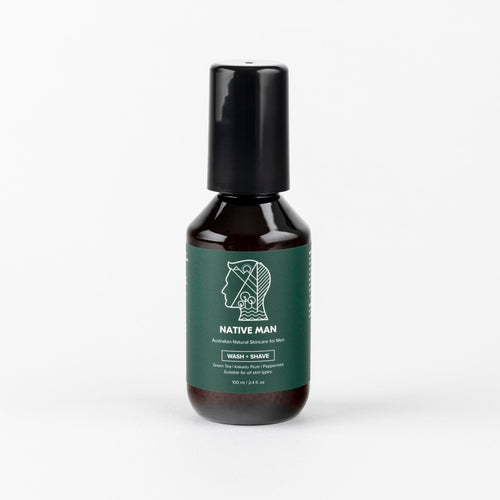
- Prepare the skin first. Wash with warm water and a lubricating cleanser before you shave. Warm water softens the hair shaft, and a proper wash-and-shave product means the blade glides rather than drags. Zea's 2 in 1 Wash + Shave is built for exactly this step.
- Shave with the grain, not against it. Shaving in the direction the hair grows leaves a slightly longer stubble than shaving against it, but a hair cut in the direction it naturally lies is far less likely to curl back into the skin.
- Do not stretch the skin taut. Pulling skin tight while shaving lets the blade cut the hair below the skin's natural surface. When the skin relaxes, that shortened hair is more likely to retract below the surface and re-enter the follicle wall.
- Use a sharp blade, and replace it often. A dull blade drags and requires repeat strokes over the same area, which increases both mechanical irritation and the chance of cutting hair at an angle that curls back.
- Do not shave too closely. A very close shave - multiple passes, or pressing hard - cuts hair below the skin's surface, which is the single biggest risk factor for a cut hair curling back in before it grows back out.
- Exfoliate gently between shaves. Removing dead skin cells helps keep the follicle opening clear, which gives a regrowing hair a straighter path back out rather than getting trapped under a layer of skin.
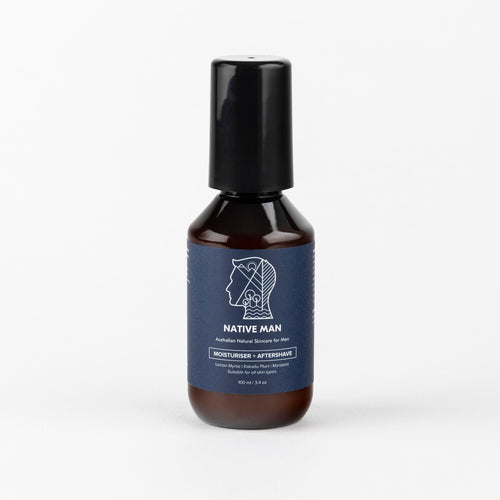
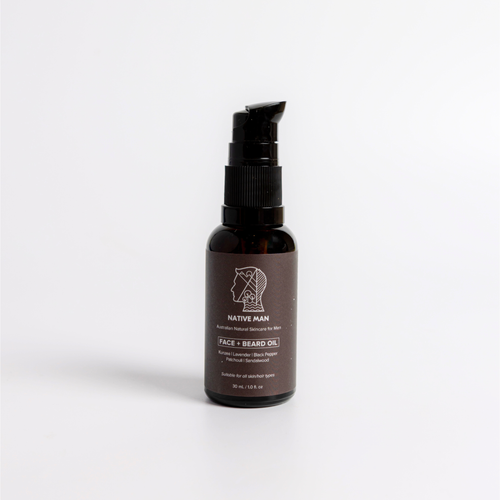
- Moisturise after every shave. A barrier product straight after shaving helps calm mechanical irritation and keeps skin comfortable while a fresh cut regrows. Zea's 2 in 1 Moisturiser + Aftershave is designed for this step, and a Face + Beard Oil can help the skin feel less tight and irritated once the beard is growing back out.
If you are already dealing with active pseudofolliculitis barbae, growing your beard out is one of the most reliable ways dermatologists describe for letting the skin recover2 - the trapped hairs eventually grow long enough to release themselves from the skin without a blade cutting them short again. Two to four weeks without shaving is the timeframe most commonly cited.
Treatment: what to do once bumps have already appeared
A 2023 review of treatments for pseudofolliculitis barbae in the journal Clinical and Experimental Dermatology looked across the available evidence and found no single approach works for everyone - most dermatologists reach for a combination of the following, escalating only as needed3.
- Stop shaving the affected area, if you can. Even a short break lets inflamed follicles settle and lets curled hairs work their way out on their own.
- Switch shaving method or tool. Electric razors set to leave slightly longer stubble, or single-blade razors instead of multi-blade cartridges, are commonly recommended because they are less likely to cut hair below the skin's surface.
- Keep the area clean and calm. A gentle wash and a fragrance-light moisturiser or balm can help the skin feel less irritated while bumps settle. Zea's Multi-Purpose Rescue Balm is a simple option for calming the feel of irritated skin after shaving - it is a cosmetic balm, not a treatment for the underlying condition.
- Do not pick, tweeze or dig at trapped hairs. This is one of the most consistent pieces of dermatological advice: manually digging out a trapped hair increases the risk of scarring and secondary infection, and rarely resolves the underlying cause.
- See a dermatologist if bumps persist. For ongoing or severe cases, dermatologists have clinical options - including certain topical treatments and, in some cases, laser hair reduction - that are outside what any cosmetic product or home routine can offer3.
It is worth being direct about what a grooming routine can and cannot do here. A good wash, shave and moisturising routine helps set the conditions that make razor bumps less likely, and can help skin feel more comfortable while it recovers. It does not treat, cure or prevent pseudofolliculitis barbae as a medical condition - that is a job for time, a change in shaving habits, and where needed, a dermatologist.

If shaving is a regular source of irritation, it is worth looking at the whole routine rather than one step. Our Native Man face trio covers wash, moisturise and beard oil in one set, and the full Native Man range sits alongside it.
When to see a doctor or dermatologist
Most razor bumps and ingrown hairs settle with time and a change in shaving habits. See a doctor or dermatologist if any of the following apply:
- The bumps are genuinely painful, not just mildly irritating
- The area is spreading, getting worse, or not improving after a few weeks off shaving
- You notice signs of infection - increasing redness, warmth, swelling, pus, or fever
- Bumps keep recurring in the same spots no matter what you change about your shaving routine
- You are developing raised, thickened scars (keloids) in the affected area
Pseudofolliculitis barbae and folliculitis are recognised medical conditions, and a dermatologist can offer treatment options - including prescription topicals and, for persistent cases, laser hair reduction - that sit well outside what any cosmetic grooming product is designed to do.
Frequently asked questions
Is it normal to get razor bumps every time I shave?
No. Occasional mild razor burn is common, but bumps that show up after every shave point to pseudofolliculitis barbae, and are worth addressing with a change in shaving technique rather than accepted as routine.
Does coarse or curly hair make razor bumps more likely?
Yes. Curved or tightly coiled hair is more prone to curling back into the skin once it is cut short, which is why pseudofolliculitis barbae is more common in people with this hair type1. It is a matter of hair structure, not a shaving mistake alone.
Will a better razor fix razor bumps on its own?
A sharp, well-maintained blade helps, but the biggest factors are technique - shaving with the grain, not stretching the skin, and not shaving too closely - rather than the razor brand itself.
Can I use exfoliating products to prevent ingrown hairs?
Gentle exfoliation between shaves can help keep the follicle opening clear. Avoid harsh scrubbing on already-irritated skin, as this can make inflammation worse.
How long does it take for a razor bump to go away?
Individual bumps often settle within a few days once shaving stops in that area. Ongoing pseudofolliculitis barbae usually needs a longer break from shaving - commonly two to four weeks - to properly resolve.
Are razor bumps the same as folliculitis?
They are related but not identical. Folliculitis is inflammation or infection of the hair follicle generally, which can be caused by bacteria as well as ingrown hair. Pseudofolliculitis barbae is specifically the inflammatory reaction to a hair curling back into the skin after shaving.
References
Sources open in a new tab so you do not lose your place.
- 1. DermNet NZ. Pseudofolliculitis Barbae (Razor Bumps): Images and Management. View source
- 2. Rice X, Omar D, Goodwin BP, Adotama P. Barber Knowledge and Recommendations for Pseudofolliculitis Barbae. JAMA Dermatology, 2024. View source
- 3. Dalia Y, Khatib J, Odens H, Patel T. Review of treatments for pseudofolliculitis barbae. Clinical and Experimental Dermatology, 2023;48:591-598. View source