There's a honey being quietly harvested on a remote Tasmanian island, one that most Australians have never heard of, and one that we believe deserves its moment in the spotlight.
Kunzea Honey is made from the nectar of the Kunzea ambigua flower, a wild, aromatic native shrub that blooms just once a year along the rugged coastlines of Tasmania and the Bass Strait Islands. It's rare. It's raw. And it's entirely one of a kind.
In this post, we're diving deep into what makes Kunzea Honey so special, where it comes from, and how it compares to other honeys on the market.
What Is Kunzea Honey?
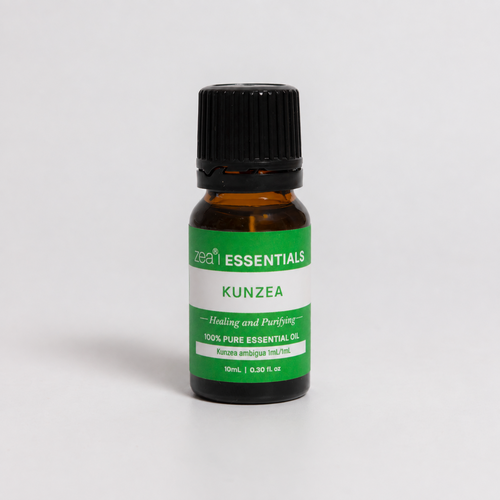
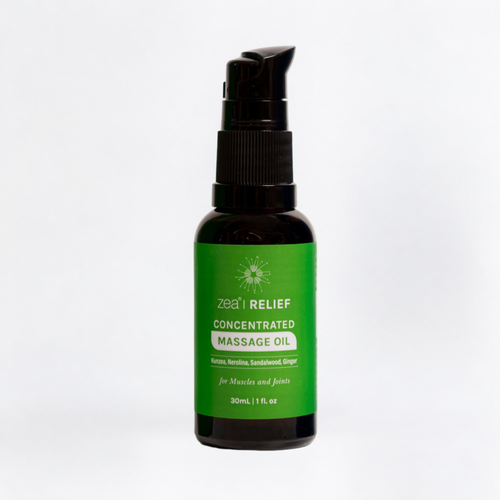
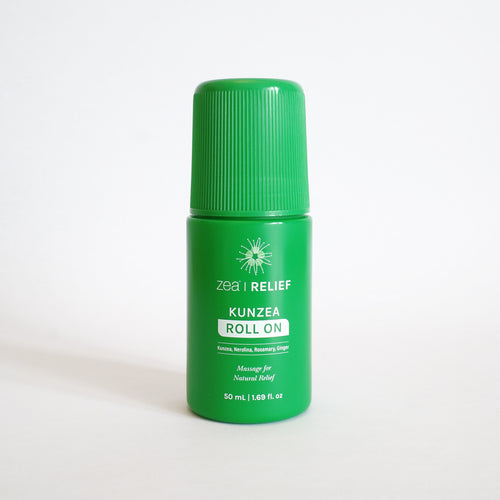
Kunzea Honey is a raw, single-origin honey produced from bees foraging on the blossoms of the Kunzea ambigua plant, the same plant behind our beloved Kunzea Essential Oil.
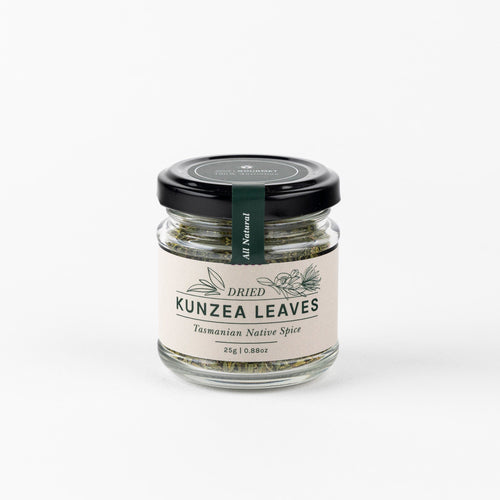
Also known as "tick bush" or "white cloud", Kunzea ambigua is a native shrub belonging to the Myrtaceae (myrtle) family. It's indigenous to Australia and it flourishes most abundantly in the pristine wilderness of north-east Tasmania and the Bass Strait Islands.
What sets it apart from almost every other honey in the world is this: we are among the first producers globally to have made a honey from the nectar of the Kunzea ambigua flower.
Why Is It So Rare?
The Kunzea ambigua plant only blooms once a year, in spring, during a short seasonal window. Bees have a narrow opportunity to forage and collect their nectar, and once that window closes, it's closed until next season.
The harvest reflects that scarcity. For every five drums of other common native honeys produced, you can only get one drum of Kunzea. Once our yearly supply runs out, that's it until the following spring.
Our Kunzea Honey is ethically and organically harvested from bees foraging in the remote, pristine wilderness of Flinders Island and North-East Tasmania, one of the most unspoiled natural environments in Australia. That remoteness is part of what makes this honey so special. Sourced far from industrial agriculture and chemical interference, it's some of the most organic honey in the world.
What Does It Taste Like?
Kunzea Honey has a smooth, buttery consistency with a delightfully sweet, lightly floral flavour. It's mild, refined, and elegant, a world away from the strong, medicinal profiles of some other specialty honeys.
Its colour ranges from a pale golden yellow to a soft amber, depending on the season and the nectar flow. Like all genuine raw honeys, it may naturally crystallise over time, particularly in cooler months but this is a sign of its purity, not a flaw. Simply place the jar in warm water for 15 minutes to return it to liquid form.
Drizzle it over crumpets. Spread it on toast. Stir it into porridge. Or eat it straight from the spoon. There's really no wrong way to enjoy it.

What Makes Kunzea Honey So Unique?
1. It's One of the First of Its Kind
Kunzea Honey from Kunzea ambigua is brand new to the honey world. We're proud to be among the first in the world to bring it to table.
2. It Comes From One of the Most Pristine Locations on Earth
Flinders Island sits in the middle of the Bass Strait, remote, wild, and largely untouched. The bees that produce Kunzea Honey forage freely in this pristine natural environment, far from pesticides, pollution, or industrial farming. Every jar is fully traceable back to its source.
3. It's 100% Raw
Kunzea Honey is 100% raw, cold-extracted, and unfiltered. It's been gently strained only to remove large particles of wax, and then goes straight from the hive to your home.
Because it's completely unprocessed, it retains everything honey naturally contains:
• B vitamins: B2, B3, B5, and B6
• Minerals: calcium, iron, magnesium, potassium, and zinc
• Antioxidants: including polyphenols, linked to reduced inflammation and overall wellbeing
• Natural enzymes: including glucose oxidase, which supports honey's natural antimicrobial properties
• Amino acids: the building blocks of protein
• Natural pollen: retained because the honey is unfiltered
Heating honey above 45°C destroys its natural enzymes, and heavy filtering removes its pollen and beneficial compounds. With Kunzea Honey, none of that goodness is lost.
4. It Carries the Therapeutic Legacy of the Kunzea Plant
Research into Kunzea ambigua essential oil has identified key bioactive compounds including α-Pinene, 1,8-Cineole, Globulol, Viridiflorol, and Terpinen-4-ol, associated with antimicrobial and anti-inflammatory activity.

While Kunzea Honey is a different product from the oil, it shares the same remarkable botanical origin. Research into its specific bioactive compounds is still in early stages, it's such a new variety that science hasn't fully caught up yet.
How Does Kunzea Honey Compare?
Manuka Honey
Both are raw specialty honeys from plants in the Myrtaceae family, but they're quite different. Manuka Honey (from Leptospermum scoparium) is famous for its high Methylglyoxal (MGO) content, which drives its potent antibacterial properties and UMF/MGO grading. Kunzea Honey has different bioactive compounds entirely; those grading systems simply don't apply. Where Manuka is strong and medicinal in flavour, Kunzea is smooth, mild, and gently floral, more versatile as an everyday honey. We believe Kunzea has the potential to be Australia's answer to Manuka. The research is just beginning.
Regular Supermarket Honey
Most supermarket honey has been pasteurised, heated to high temperatures to extend shelf life. The process destroys natural enzymes, and heavy filtering removes pollen and reduces antioxidant content. Research shows processed honey can contain up to 4.3 times fewer antioxidants than raw honey. Kunzea Honey skips all of that; unheated, unfiltered, exactly as nature made it. If it looks slightly cloudy or crystallises, that's how you know you have the real thing.
How to Use Kunzea Honey
• Stir into warm tea with lemon, avoid boiling water (heat above 45°C affects raw honey's enzymes)
• Drizzle over porridge, yoghurt, or granola. A honey dipper gives you beautiful, even control
• Spread on toast or crumpets, exceptional with a little butter
• Pair with cheese, beautiful alongside sharp cheddar or creamy brie
• Use in dressings or glazes, its mild sweetness works brilliantly in cooking
• Eat straight from the spoon, no recipe needed
Our Kunzea Honey
Zea Gourmet Kunzea Honey is organically harvested from bees foraging in the remote wilderness of Flinders Island and North-East Tasmania. 100% raw, cold-extracted, unfiltered, and independently tested. Every jar is fully traceable back to its source.
We are one of the first in the world to produce honey from the Kunzea ambigua flower, and we're proud of what it represents: a truly Australian honey, from one of the world's most pristine natural environments, made with integrity from hive to home.
Stock is limited each year. Once the seasonal harvest is gone, that's it until next spring.
Kunzea Honey is Tasmania's best-kept natural secret. We think it's time more people knew about it.
References
-
Barillot, C., & Cock, I. E. (2021). Kunzea ambigua (Sm.) Druce and Kunzea flavescens essential oils inhibit the growth of some bacterial triggers of inflammatory diseases. Pharmacognosy Communications, 11(2), 81-87. https://research-repository.griffith.edu.au/server/api/core/bitstreams/baf2dd6f-438c-4ec8-900e-c77e3fa8d7ef/content
-
Kardas, M., Staśkiewicz-Bartecka, W., Sołtys, K., Dul, L., Sapała, A.-M., Kiciak, A., Bielaszka, A., & Kardas, J. (2024). The quality of selected raw and pasteurized honeys based on their sensory profiles and consumer preferences. Frontiers in Nutrition, 10, 1330307. https://doi.org/10.3389/fnut.2023.1330307
-
Mavric, E., Wittmann, S., Barth, G., & Henle, T. (2008). Identification and quantification of methylglyoxal as the dominant antibacterial constituent of Manuka honeys. Molecular Nutrition & Food Research, 52(4), 483-489. https://doi.org/10.1002/mnfr.200700282
-
Palma-Morales, M., Huertas, J. R., & Rodríguez-Pérez, C. (2023). A Comprehensive Review of the Effect of Honey on Human Health. Nutrients, 15(13), 3056. https://doi.org/10.3390/nu15133056
-
Weston, R. J. (2000). The contribution of catalase and other natural products to the antibacterial activity of honey. Food Chemistry, 71(2), 235-239. https://doi.org/10.1016/S0308-8146(00)00162-X