
Pain is a universal human experience but for many women, pain can feel more intense, last longer, or be more frequent than for men. Emerging research suggests that these differences are not about strength or tolerance, but are rooted in biology, hormone fluctuations, immune system function, and nervous system processing. Understanding these differences helps women make informed choices about pain management and self-care.
In this article, we explain what the evidence says about why pain is experienced differently by women, how hormonal cycles influence pain perception, and supportive strategies that may help with everyday discomfort.
Biological Differences in Pain Processing
Scientific studies consistently show that women and men process pain in different ways. This includes differences in how pain signals are sent through the nervous system, how the brain interprets those signals, and how the body regulates pain over time.
Research suggests that women may be more sensitive to certain types of pain stimuli and are more likely to experience persistent or recurring pain. These differences are influenced by a combination of genetics, nervous system activity, and hormonal regulation, not by personal strength or mindset.
Hormones and Pain Sensitivity
Hormones such as oestrogen and progesterone have a significant impact on pain perception. These hormones influence inflammation, nerve sensitivity, and how strongly pain signals are felt.
Throughout the menstrual cycle, hormone levels naturally rise and fall. Many women notice that pain feels worse:
-
In the days leading up to their period
-
During menstruation
-
During other periods of hormonal change, such as postpartum or perimenopause
This helps explain why conditions like PMS-related pain, headaches, joint discomfort, and muscle aches can fluctuate from month to month.
Chronic Pain Conditions Are More Prevalent in Women
Many chronic pain conditions including fibromyalgia, endometriosis, migraine, and chronic pelvic pain are diagnosed more often in women than in men. Research suggests this is linked to a combination of hormonal influences, immune system differences, and the way pain signals are processed in the body.
Women also tend to report more frequent or more intense pain in conditions such as osteoarthritis and nerve-related pain. This pattern suggests that these differences are not simply about perception, but reflect real biological and clinical factors.
There is also growing recognition that women’s pain has historically been under-recognised or under-treated, which can delay diagnosis and appropriate care. Together, these factors help explain why chronic pain is both more common and more complex for many women.
The Impact of Stress and Sleep on Pain
Stress and poor sleep are well-known to worsen pain, and many women experience sleep disruption due to hormonal changes, pain flares, or daily responsibilities.
When sleep quality drops:
-
Pain sensitivity can increase
-
Muscles may feel tighter or more achy
-
The body’s ability to regulate inflammation may be reduced
This can create a cycle where pain affects sleep, and poor sleep makes pain harder to manage, particularly around the premenstrual phase.
Supportive Ways to Manage Everyday Pain
For many women, pain management involves a combination of medical care, lifestyle strategies, and non-oral support options. Clinical guidance increasingly recognises the value of non-invasive, integrative approaches for managing everyday muscle and joint discomfort.
Some commonly used options include:
Gentle Heat for Muscle Tension
Applying gentle heat can help relax tight muscles, increase local blood flow, and ease stiffness. Heat therapy is commonly used for muscle tension and non-acute musculoskeletal discomfort, particularly when pain is linked to tightness or reduced movement. Natural lupin heat packs are often used for lower back discomfort, abdominal tension, or general muscle tightness, especially during periods of rest or as part of an evening wind-down routine. When used for short periods before sleep, gentle heat may also help the body relax and prepare for rest.

Topical Pain Relief
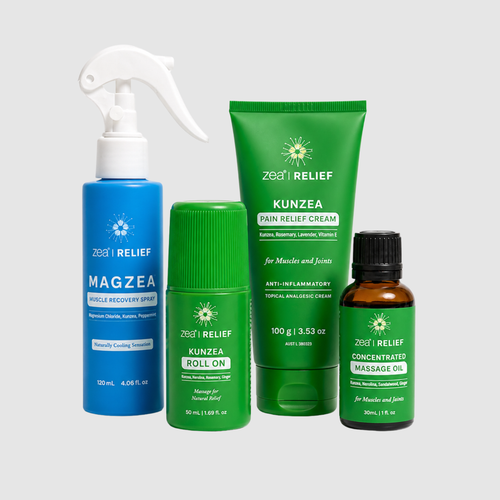
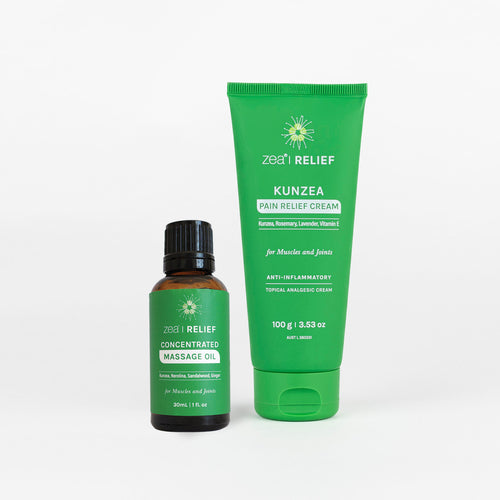
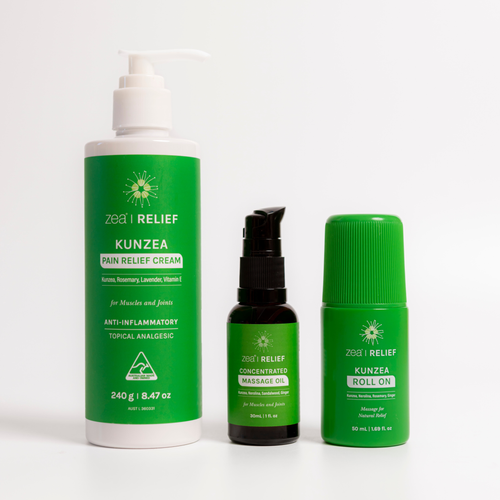
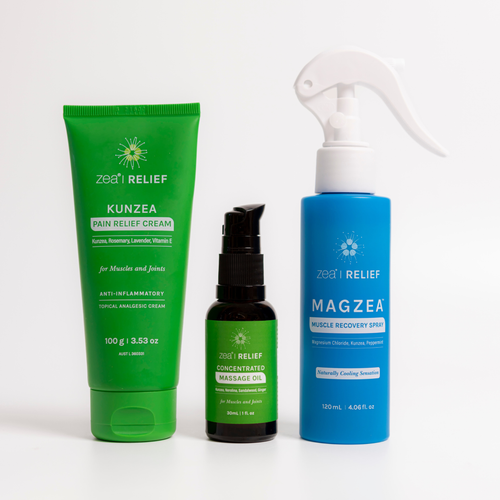
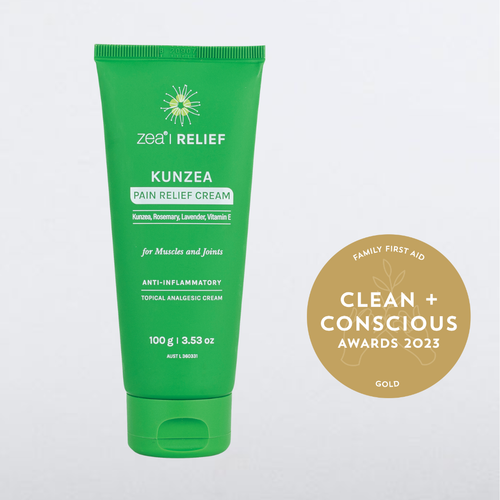
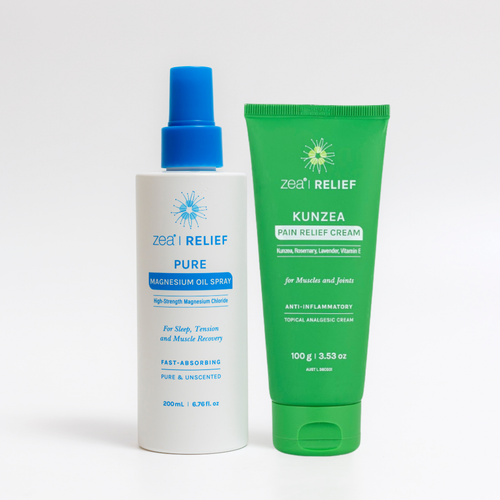
Topical pain relief products offer localised support directly where discomfort is felt, without affecting the whole body. This targeted approach is often useful for muscle and joint aches, particularly when pain is confined to one area. Kunzea Pain Relief Cream can be applied to sore or stiff areas to ease pain. A topical cream can be easily incorporated into an evening routine to help support comfort through the night.
For pain related to the menstrual cycle, such as lower abdominal discomfort or lower back tension, some women choose topical botanical blends designed specifically for PMS support. Women’s PMS Support Blend combines plant-based oils traditionally used to support comfort during hormonal fluctuations. Gently massaging a blend onto the lower abdomen or back can provide a calming, non-invasive way to support comfort during the premenstrual phase, particularly when symptoms feel more noticeable at rest or before sleep.
Warm Baths and Mineral Soaks
Warm baths are a simple, effective way to help muscles relax and ease tension, particularly when discomfort is linked to fatigue or stiffness. Adding mineral-rich salts can enhance the soothing effects, supporting both relaxation and a sense of overall comfort. Kunzea Bath Salts create a fragrant, calming soak that can help ease muscle tension, support circulation, and promote relaxation before rest. Incorporating a warm bath into an evening routine can provide both physical relief and a moment of self-care, helping the body and mind wind down after a busy day.
These options are not treatments for underlying conditions, but they can be helpful as part of a broader, supportive approach to managing everyday discomfort.
Final Thoughts
Women’s pain experiences are shaped by real biological and hormonal factors. Research shows that pain is processed differently in women, and recognising this helps shift the conversation toward better understanding, better care, and better support.
Using evidence-informed, non-invasive strategies alongside medical guidance can help women manage everyday discomfort more comfortably and confidently.
If pain is persistent, severe, or affects quality of life or sleep, consulting a qualified healthcare professional remains essential.
References
-
Bartley, E. J., & Fillingim, R. B. (2013). Sex differences in pain: a brief review of clinical and experimental findings. British journal of anaesthesia, 111(1), 52–58. https://doi.org/10.1093/bja/aet127
-
International Association for the Study of Pain. (2026, January 22). Genders experience pain differently and women have it more. IASP Relief News. https://www.iasp-pain.org/publications/relief-news/article/genders-experience-pain-differently/
-
American Association of Medical Colleges. (2025, February 25). Do women and men feel pain differently? AAMC. https://www.aamc.org/news/do-women-and-men-feel-pain-differently
-
Failla, M. D., Beach, P. A., Atalla, S., Dietrich, M. S., Bruehl, S., Cowan, R. L., & Monroe, T. B. (2024). Gender differences in pain threshold, unpleasantness, and descending pain modulatory activation across the adult life span: A cross‑sectional study. The Journal of Pain, 25(4), 1059-1069. https://doi.org/10.1016/j.jpain.2023.10.027
-
Harvard Health Publishing. (2017, October 9). Women and pain: Disparities in experience and treatment. Harvard Health. https://www.health.harvard.edu/blog/women-and-pain-disparities-in-experience-and-treatment-2017100912562
-
American Psychological Association. (2010, August 12). All pain is not the same: Psychologist discusses gender differences in chronic pain [Press release]. https://www.apa.org/news/press/releases/2010/08/gender-pain-differences
![Kunzea Pain Relief Cream [Value Pack]](http://www.zeaaustralia.jp/cdn/shop/files/Neutral_Images_Website_1080_x_1080_12_aeeb7fb5-6b18-4315-99ea-c7a97403e37a.png?v=1776732033&width=500)


