
Shoulder pain can be frustrating. Maybe it hurts when you lift your arm, reaching behind your back is uncomfortable, or sleeping on one side seems impossible. These are common signs of shoulder bursitis, a condition that occurs when the small fluid-filled sacs in your shoulder become inflamed.
The good news? Most cases improve with simple, evidence-based strategies. By combining gentle movement, natural anti-inflammatory support, and practical daily adjustments, you can reduce discomfort, restore mobility, and help your shoulder recover, without relying on heavy medications or complicated treatments.
In this guide, we’ll explain what shoulder bursitis is, why it happens, and share proven natural approaches to help you manage pain and support healing.
What Is Shoulder Bursitis?
Inside your shoulder joint are small fluid-filled sacs called bursae. Their job is simple but important: they reduce friction between tendons and bones so your shoulder can move smoothly.
The most commonly affected bursa is the subacromial bursa, located between the rotator cuff tendons and the acromion (the top part of your shoulder blade).
When this bursa becomes irritated or overloaded, it swells. Because the shoulder space is tight, even mild swelling can create pain, especially when lifting the arm.
Shoulder bursitis often overlaps with:
-
Rotator cuff irritation
-
Subacromial impingement
These conditions frequently occur together, which is why the symptoms can feel similar.
What Causes Shoulder Bursitis?
The most common triggers include:
-
Repetitive overhead movements (painting, swimming, lifting)
-
Sudden increases in activity or exercise
-
Poor shoulder mechanics or posture
-
Prolonged desk work with rounded shoulders
-
Direct trauma
-
Age-related tendon changes
Overuse is the most common cause. The bursa becomes irritated when surrounding structures repeatedly compress it.
Common Symptoms
Shoulder bursitis typically causes:
-
Pain when lifting the arm sideways or overhead
-
Pain reaching behind your back
-
A dull ache on the outer shoulder
-
Night pain, especially when lying on the affected side
-
Tenderness when pressing on the outer shoulder
-
Mild stiffness that improves slightly with gentle movement
Severe redness, warmth, or fever are not typical and may require medical attention.

Bursitis vs Rotator Cuff Tear vs Frozen Shoulder
It’s common to wonder if something more serious is happening.
Here’s a simplified comparison:
Shoulder Bursitis
-
Painful arc when lifting arm
-
Local tenderness
-
Movement possible but uncomfortable
Rotator Cuff Tear
-
Noticeable weakness
-
Difficulty lifting arm against resistance
Frozen Shoulder
-
Significant stiffness in all directions
-
Progressive loss of motion
If pain persists or strength decreases, professional assessment is recommended.
Natural Relief Strategies
The goal of conservative care is to:
-
Reduce irritation
-
Calm inflammation
-
Restore movement
-
Improve shoulder mechanics
Here are 8 practical, evidence-based ways to naturally relieve shoulder bursitis pain:
1. Relative Rest (Not Complete Immobilisation)
Avoid movements that trigger sharp pain, especially repeated overhead lifting.
However, complete rest can lead to stiffness. Research supports activity modification, not total immobilisation.
Think: reduce aggravation, not eliminate all movement.
2. Ice Therapy (First 48-72 Hours of Flare)
If symptoms are recent or acutely worse:
-
Apply ice for 10-20 minutes
-
3-4 times per day
-
Use a cloth barrier to protect skin
Cold therapy helps reduce inflammatory response and numbs pain receptors.
3. Heat Therapy (After Initial Swelling Settles)
After the acute phase, heat may help:
-
Improve circulation
-
Reduce muscle guarding
-
Ease stiffness
Use gentle warmth for 15-20 minutes. If swelling increases, return to ice.
For convenient at-home use, a Lupin Heat Pack can provide soothing warmth directly to the shoulder while you rest or do gentle stretches.

4. Gentle Early Movement
Shoulders stiffen quickly if left completely still.
Once sharp pain settles, introduce gentle, pain-free movement.
- Pendulum Swings: Lean forward, let your arm hang, and gently move in small circles.
- Wall Slides: Slide your hand slowly up a wall. Stop before pain increases.
- Scapular Retractions: Gently squeeze shoulder blades together and hold for 5 seconds.
None of these should produce sharp pain.
5. Gradual Strengthening
As symptoms improve, strengthening the rotator cuff and shoulder stabilisers reduces pressure on the bursa and lowers recurrence risk.
Focus on:
-
Light resistance
-
External rotation strengthening
-
Controlled, slow repetitions
-
Gradual progression
Research consistently shows that structured rehabilitation improves outcomes in subacromial shoulder pain conditions.
If pain increases significantly, reduce load and reassess.
6. Sleep Positioning for Night Pain
Night pain is one of the most frustrating symptoms.
Helpful adjustments include:
-
Sleeping on the opposite side
-
Placing a pillow under the affected arm
-
Hugging a pillow to support alignment
-
Avoiding sleeping with the arm overhead
These small changes reduce compressive stress on the inflamed bursa.
7. Anti-Inflammatory Nutrition
While food alone won’t cure bursitis, dietary patterns influence systemic inflammation.
Evidence supports anti-inflammatory eating patterns such as the Mediterranean diet, which includes:
-
Fatty fish (omega-3 fatty acids)
-
Leafy greens
-
Berries
-
Olive oil
-
Nuts and seeds
Nutrition supports healing - but does not replace mechanical rehabilitation.
8. Topical Pain Relief
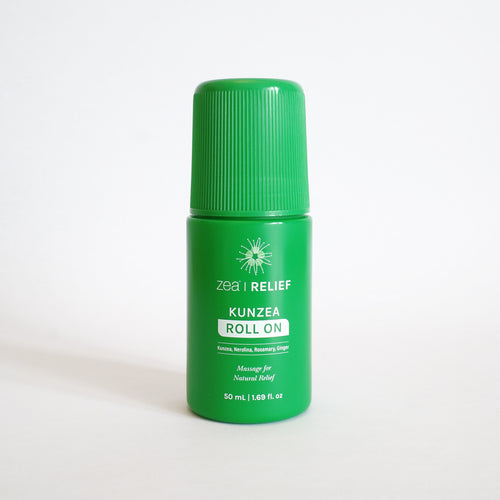
Topical products can provide comfort and gentle relief for sore shoulders without relying on pharmaceuticals.
Natural options may include:
-
Creams or balms with warming or cooling botanicals
-
Products formulated with anti-inflammatory essential oils
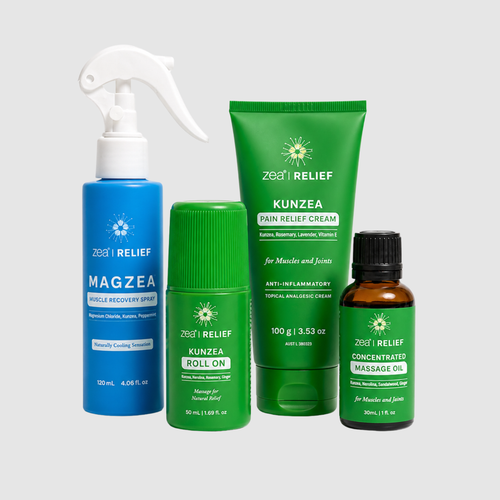
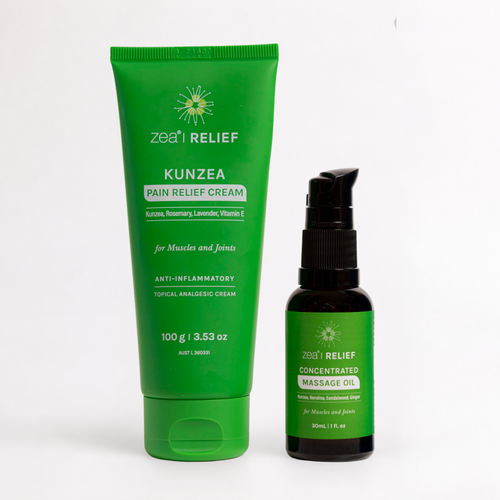
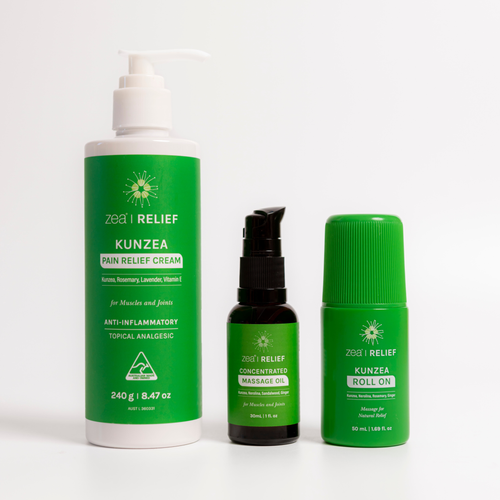
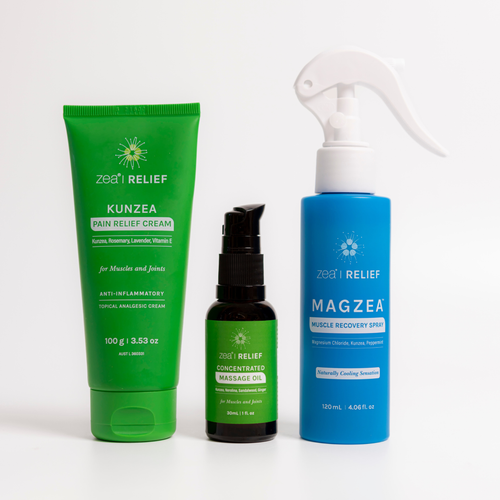
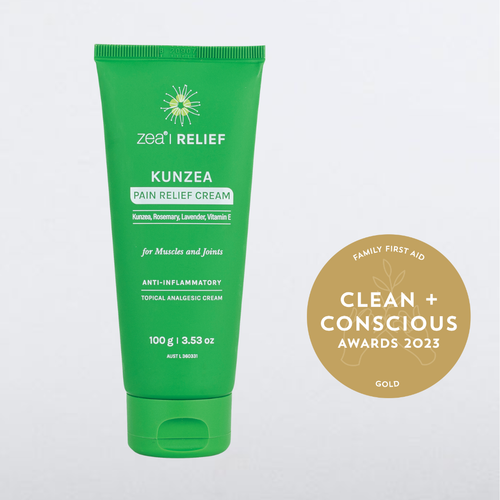
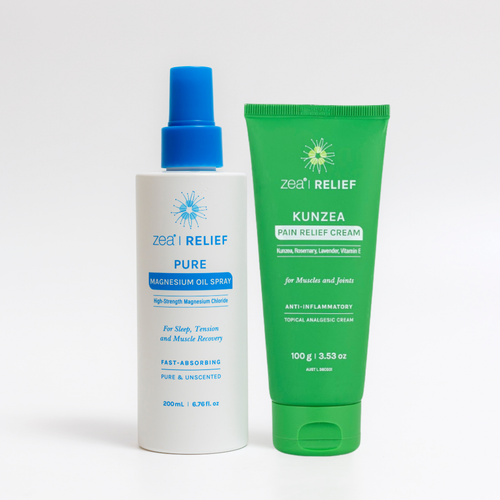
Kunzea Pain Relief Cream is made with 100% natural ingredients, and harnesses Australian native Kunzea, known for its soothing properties, and can be applied directly to the affected area for gentle support during daily activities or recovery exercises.
Topical options support comfort but should be used alongside movement, gentle exercise, and posture strategies to address the underlying cause of bursitis.

Preventing Recurrence
Long-term shoulder health depends on:
-
Strengthening the rotator cuff
-
Improving posture
-
Avoiding repetitive overhead strain
-
Gradually increasing load during exercise
-
Maintaining shoulder mobility
Addressing movement patterns reduces repeat irritation.
The Bottom Line
Natural relief for shoulder bursitis is not about one quick fix.
It’s about:
-
Reducing aggravation
-
Calming inflammation
-
Supporting recovery
-
Restoring smart, controlled movement
Most cases of shoulder bursitis respond well to gentle, supportive care. By combining simple movement, mindful sleep adjustments, nourishing anti-inflammatory foods, and complementary approaches like soothing topical care, you can help your shoulder heal naturally and restore comfortable, pain-free movement. With a little patience and consistency, your shoulder can regain strength and function, supporting your overall wellbeing along the way.
References:
-
Cleveland Clinic. (2024, November 5). Shoulder bursitis: What it is, symptoms & treatment. https://my.clevelandclinic.org/health/diseases/21530-bursitis-in-shoulder
-
Johns Hopkins Medicine. Shoulder bursitis. https://www.hopkinsmedicine.org/health/conditions-and-diseases/shoulder-bursitis
-
Mayo Clinic. (2024). Bursitis. https://www.mayoclinic.org/diseases-conditions/bursitis/diagnosis-treatment/drc-20353247
-
Healthdirect. (2024). Bursitis. https://www.healthdirect.gov.au/bursitis
![Kunzea Pain Relief Cream [Value Pack]](http://www.zeaaustralia.jp/cdn/shop/files/Neutral_Images_Website_1080_x_1080_12_aeeb7fb5-6b18-4315-99ea-c7a97403e37a.png?v=1776732033&width=500)


