Some tingling, warmth or a brief sting after magnesium oil or spray is normal - it is not the same thing as taking too much magnesium orally, which is a separate question with separate symptoms (mostly digestive, and covered in full in our guide to magnesium and stomach upset). This article is about the topical question: what a normal reaction to magnesium cream, oil or spray feels like, what is not normal, and when to stop and get advice.

Quick answer: is it normal for magnesium cream or spray to sting or itch?
Yes, for most people, a mild sting, tingle or itch in the first few minutes after applying magnesium oil, spray or cream is a normal skin response - it is not a sign you have used too much, and it is not the same reaction as magnesium toxicity. It usually settles within a few minutes to half an hour and fades with regular use as skin adjusts.
That is different from oral magnesium overuse, which affects the digestive system (loose stools, cramping, nausea) because it is swallowed rather than applied to the skin. If that is your question, our dedicated guide on magnesium and stomach upset covers oral side effects in full - we will not repeat that here.
Sensation, cause and what to do
| Sensation | What is usually causing it | What to do | When to stop |
|---|---|---|---|
| Tingling or a mild, brief sting | Magnesium chloride reacting with nerve endings in the skin, more noticeable on drier or more sensitive areas | Nothing needed - it typically fades within 10-30 minutes and lessens with continued use | If it feels sharp or burning rather than mild, rinse the area with water |
| Itching | A mild histamine-type skin response, often on freshly shaved or dry skin | Apply to a less sensitive area next time, or dilute with a small amount of water | If itching spreads well beyond the application site, or comes with hives |
| Dry or flaky skin after it dries | Magnesium chloride can draw moisture from the surface of the skin as it dries | Moisturise afterward, or rinse off after 20-30 minutes instead of leaving it on | If skin becomes cracked or sore, not just dry |
| Redness at the application site | Mild local irritation, common with first-time use or higher-concentration products | Use less, apply less often, or patch test a small area first | If redness lasts more than a day or spreads |
| No sensation at all | Also completely normal - sensitivity to magnesium chloride varies a lot between people | Nothing needed - a lack of tingle does not mean it is not working as intended | No action needed |
| Stronger reaction on broken or freshly shaved skin | Broken skin has less of a barrier, so magnesium chloride reaches nerve endings more directly | Avoid applying to cuts, grazes or freshly shaved skin - wait until it has settled | If applied by mistake and stinging is significant, rinse immediately |
For a deeper look at exactly why the tingling and stinging sensation happens and how to manage it if yours is stronger than most, see our full explainer: Why does magnesium oil itch or sting?
Does the format change how much it stings?
Generally, yes. The more concentrated the magnesium chloride and the drier the application area, the more noticeable the sensation:
- Sprays and oils tend to sting the most, since they are typically the most concentrated topical format and are applied directly to bare skin.
- Bath salts tend to sting the least, since the magnesium chloride is diluted across a full bath of water rather than sitting concentrated on one patch of skin.
- Massage-in formats sit in between, and often feel more comfortable simply because they are worked in over a larger area rather than left to sit on one spot.
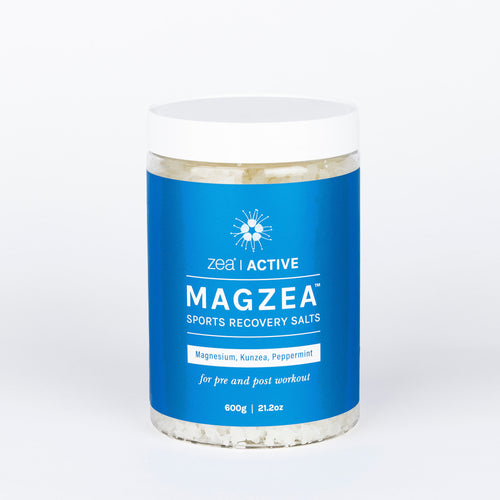
If stinging is the main thing putting you off topical magnesium, starting with a bath soak such as MAGZEA™ Muscle Recovery Salts and working up to a spray is a reasonable way to build tolerance. For a full side-by-side of oil versus cream versus spray, including which one suits sensitive skin best, read Magnesium oil vs magnesium cream.
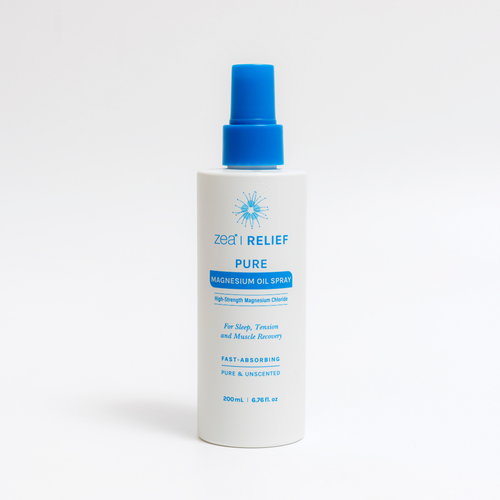
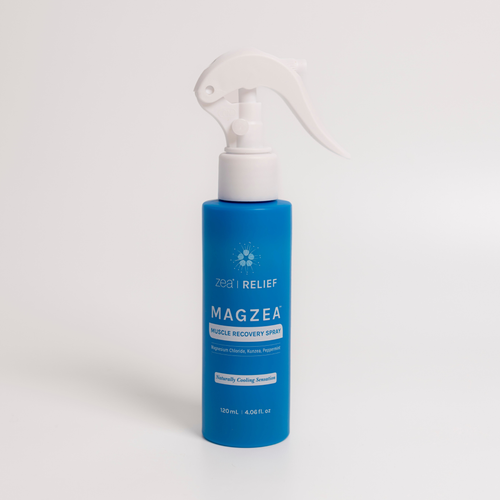
A note on the word "cream": Zea does not currently make a magnesium cream. Our topical range is a Magnesium Oil Topical Spray, a MAGZEA™ Muscle Recovery Spray and MAGZEA™ Muscle Recovery Salts. Everything above about sensation and format applies to magnesium creams generally, even though we sell oils, sprays and salts rather than a cream.
Is magnesium actually absorbed through the skin?
This is more contested than most product marketing suggests. A 2017 review in the journal Nutrients examined the available evidence for transdermal (through-skin) magnesium absorption and found it was not well supported by controlled research, despite widespread marketing claims3. That does not mean topical magnesium does nothing - many people use it as part of a comfort-focused routine for tired or tight muscles, and the sensation itself (warmth, a light tingle) is real - but we are not going to claim it delivers meaningfully absorbed magnesium into your bloodstream, because the science does not clearly support that claim either way. Treat topical magnesium as a skin-applied comfort product, not a substitute for dietary or supplemental magnesium.
What too much magnesium looks like the other way (oral)
Since the two are easy to confuse, here is the short version: taking too much magnesium orally (supplements or very high-dose products) most commonly causes diarrhoea, nausea and abdominal cramping, because unabsorbed magnesium draws water into the bowel2. True magnesium toxicity (hypermagnesemia) is rare and is almost always linked to very high oral or intravenous intake in people with reduced kidney function, since healthy kidneys are efficient at clearing excess magnesium1. None of this applies in the same way to a spray or oil used on the skin, which is why the two questions need separate answers. Read the full breakdown in Is magnesium upsetting your stomach?
When to stop and see a pharmacist or GP
Stop using a topical magnesium product and speak to a pharmacist or GP if:
- A reaction spreads well beyond where you applied it, or comes with swelling or hives
- Skin blisters, cracks, or does not settle within a day or two of stopping
- You have kidney disease and are also taking oral magnesium or other magnesium-containing medicines - check with your doctor before adding a topical product too
- You experience symptoms like unusual weakness, low blood pressure or an irregular heartbeat - these are not linked to topical use, but warrant medical attention regardless of the cause
This information is general and does not replace personalised medical advice. If you are pregnant, breastfeeding, have kidney disease, or take regular medication, check with your doctor before starting any new magnesium product.
Frequently asked questions
Is it normal for magnesium cream to itch?
Yes. A mild, localised itch is a common skin response to magnesium chloride and usually settles on its own. It is worth switching application areas or diluting the product if it happens every time.
Can you absorb too much magnesium through the skin?
Whole-body magnesium overload from a topical product is very unlikely. Skin acts as a barrier, and the evidence that magnesium passes through it in meaningful amounts is itself contested by researchers3. Overuse on the skin is far more likely to show up as local irritation than as a body-wide effect.
How long should magnesium spray sting for?
Typically a few minutes to around half an hour, fading as it dries and as your skin gets more used to it over repeated use. If a sting lasts much longer than that or gets worse rather than better, rinse it off and try a smaller amount next time.
Should you wash magnesium oil off after applying it?
Not necessarily - many people leave it on. If it is causing ongoing dryness or irritation, rinsing off after 20-30 minutes once it has had a chance to sit on the skin is a reasonable middle ground.
Can you use magnesium cream every day?
Most people use topical magnesium daily as part of a routine without issue. If you notice irritation building up over consecutive days, it is worth taking a short break or reducing to every second day rather than pushing through.
References
Sources open in a new tab so you do not lose your place.
- 1. Cleveland Clinic. Hypermagnesemia. View source
- 2. healthdirect Australia. Magnesium. View source
- 3. Gröber U, Werner T, Vormann J, Kisters K. Myth or Reality-Transdermal Magnesium? Nutrients. 2017;9(8):813. DOI 10.3390/nu9080813. View source