Have you ever noticed that your muscle or joint pain seems manageable during the day, but the moment you get into bed, it suddenly feels stronger?
You’re not imagining it.
Many people living with musculoskeletal conditions such as arthritis, chronic low back pain or fibromyalgia report that discomfort increases at night.
Understanding why this happens and what you can do to ease it, is key. In this article, we’ll explore the main reasons pain feels worse at night and share practical tips for supporting better sleep and comfort.
Why Does Pain Feel Worse at Night?
There isn’t just one reason. Several biological and neurological factors combine to amplify discomfort once the day winds down.
1. Fewer Distractions = Louder Pain Signals
During the day, your brain processes constant sensory input including movement, conversation, noise and tasks.
At night, those distractions disappear.
Pain signals that were previously competing with other sensory information now have more “attention space” in the brain. This can make them feel stronger, even if the level of tissue inflammation hasn’t changed.
2. Natural Inflammatory Rhythms
Your body runs on a circadian rhythm; a 24-hour biological clock.
Certain inflammatory markers fluctuate across the day. In some individuals, inflammatory activity and stiffness increase in the evening or after prolonged rest.
This is why people with joint conditions often notice:
-
More stiffness after sitting
-
Increased discomfort when lying still
-
Morning stiffness after sleep
Inflammation isn’t always higher at night, but your body’s pain sensitivity can be.
3. Cortisol Levels Drop in the Evening
Cortisol is a natural hormone with anti-inflammatory effects.
Cortisol levels are highest in the morning and gradually decline throughout the day. By night-time, lower cortisol levels may mean:
-
Less natural anti-inflammatory buffering
-
Increased sensitivity to inflammatory signals
For people with persistent musculoskeletal pain, this shift can make discomfort more noticeable.
4. The Sleep-Pain Cycle
Poor sleep increases pain sensitivity the next day.
Research consistently shows that sleep deprivation:
-
Lowers pain thresholds
-
Increases inflammatory markers
-
Heightens nervous system sensitivity
This creates a cycle:
Pain disrupts sleep → Poor sleep increases pain → Pain worsens at night.
Breaking this cycle is one of the most powerful ways to improve both sleep quality and pain levels.

What You Can Do to Reduce Night-Time Pain
The goal isn’t just to “knock yourself out.” It’s to calm inflammation, support circulation, and regulate your nervous system before bed.
Here’s how:
1. Use Gentle Heat Before Bed
Heat can help:
-
Increase local blood flow
-
Reduce muscle guarding
-
Improve tissue elasticity
-
Support relaxation
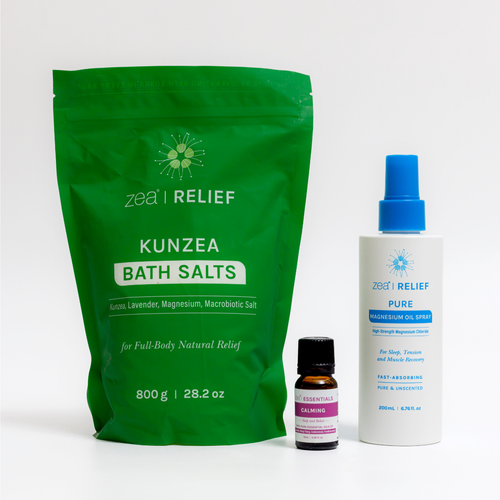
A warm bath with Kunzea Bath Salts or using a Lupin Heat Pack for 15-20 minutes before bed can help reduce stiffness, especially for chronic back or joint pain, while promoting a calm, relaxed state for sleep.
2. Support Muscles and Joints Topically
Topical support before bed can be helpful because it:
-
Targets local areas of discomfort
-
Engages sensory pathways that calm pain signalling
-
Supports a healthy inflammatory response
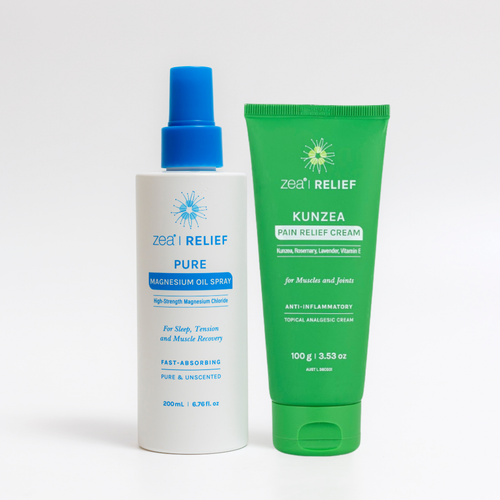
Applying a targeted topical before sleep can help reduce the intensity of pain signals that might otherwise wake you. Zea’s Kunzea Pain Relief Cream is especially helpful at night because its cooling sensation and blend of Kunzea, Lavender, Rosemary, and Vitamin E work together to calm muscles and joints, support a healthy inflammatory response, and promote a more comfortable, restful sleep.
Applying a targeted topical before sleep can help reduce the intensity of pain signals that might otherwise wake you.
3. Adjust Your Sleep Position
Mechanical pressure can worsen night pain.
Small changes make a big difference:
-
Pillow under knees (for lower back pain)
-
Pillow between knees (for hip or side sleepers)
-
Hugging a pillow (for shoulder pain)
-
Avoid sleeping directly on painful joints
The goal is neutral alignment to reduce tissue strain.
4. Calm the Nervous System
Pain isn’t purely structural, it’s neurological.
Before bed:
-
Try slow breathing (longer exhale than inhale)
-
Dim lights 60 minutes before sleep
-
Reduce screen exposure
-
Create a consistent bedtime routine
-
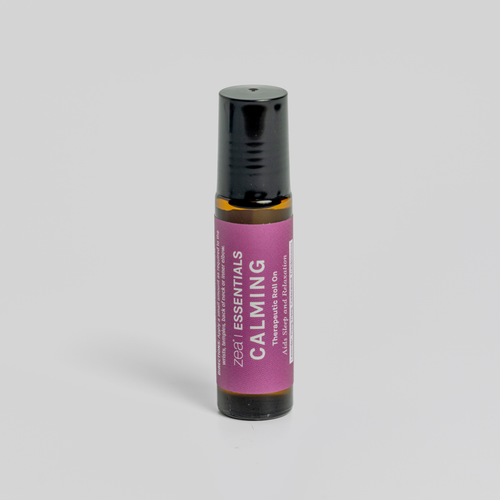
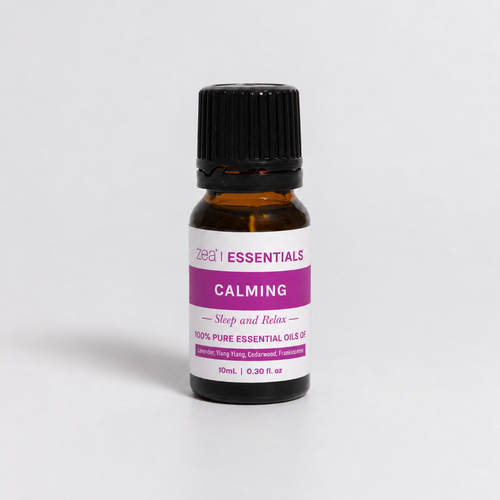
Diffuse calming essential oils to help relax the nervous system
Calming the nervous system lowers pain amplification.

5. Stay Gently Active During the Day
Complete rest often increases stiffness.
Light activity such as:
-
Walking
-
Gentle stretching
-
Mobility exercises
Improves circulation and can reduce the intensity of night-time discomfort.
Why Sleep Is Key for Managing Pain
Sleep isn’t passive.
During deeper stages of sleep, your body:
-
Regulates inflammatory processes
-
Releases growth hormone for tissue repair
-
Restores nervous system balance
If sleep is fragmented, recovery is impaired.
Improving sleep quality isn’t just about feeling rested, it’s a key part of managing musculoskeletal pain long term.
The Bottom Line
Feeling more discomfort at night is common, but it doesn’t have to keep you awake. Simple evening habits like a warm bath, adjusting your sleep position, and calming your mind with slow breaths or a gentle essential oil, can help you relax and ease tension before bed.
The key takeaway to keep in mind:
Better sleep helps reduce pain.
Reduced pain helps improve sleep.
And once you get into that rhythm, it all starts working in your favour.
References
-
Solan, M. (2023, January 18). Do we feel pain more at night?. Harvard Health Blog. Harvard Health Publishing. https://www.health.harvard.edu/blog/do-we-feel-pain-more-at-night-202301182877
-
St. Vincent’s Medical Centre. (2026, February 8). Why does pain get worse at night?. Hartford Healthcare. https://stvincents.org/about-us/news-press/news-detail?articleId=69829&publicid=395
-
Hinge Health. (2025, March 28). Joint and muscle pain at night: Tips to feel better. https://www.hingehealth.com/gb/en/resources/articles/joint-and-muscle-pain-at-night/
-
Arthritis Foundation. (2022, March 15). Sleep and pain. https://www.arthritis.org/health-wellness/healthy-living/managing-pain/fatigue-sleep/sleep-and-pain