Struggling to get a good night’s sleep because of back or neck pain? You’re not alone. Pain can make it difficult to fall asleep, stay asleep, or wake feeling refreshed. Poor sleep posture can increase muscle tension, strain joints, and interrupt rest, while ongoing discomfort can make your body feel stiff or sore in the morning.
Fortunately, small adjustments to your sleep position, combined with gentle relaxation techniques, can make a real difference.
In this guide, we’ll cover the best sleep positions for back and neck pain, why they work, and practical strategies to improve your comfort.
Why Sleep Position Matters
Your spine and neck are naturally curved, and maintaining proper alignment while you sleep is critical for reducing strain on muscles, ligaments, and joints. Poor alignment can worsen back or neck pain and may even contribute to long-term postural issues.
-
Neutral alignment supports recovery: When your spine is in a neutral position, your muscles can relax and your body can repair itself overnight.
-
Pressure point relief: Using the right support, such as pillows or rolled towels, helps reduce stress on areas like the lower back, shoulders, and neck.
-
Better circulation and less stiffness: Proper sleep posture promotes healthy blood flow, which can reduce morning soreness and stiffness.
Even small changes, like adjusting your pillow, placing one between your knees, or selecting a supportive mattress, can significantly improve your comfort and help you wake up feeling more refreshed.
Best Sleep Positions for Back Pain
1. Side Sleeping (with Support)
Side sleeping is widely recommended for lower back pain because it keeps your spine in a neutral position while reducing pressure on your lower back. For many people, this position also improves breathing and reduces snoring, which can indirectly help with sleep quality.
Tips for side sleeping:
-
Knees slightly bent: Keep knees gently bent to reduce lumbar pressure.
-
Pillow between knees: Supports hip and spine alignment and prevents twisting.
-
Shoulders and hips aligned: Avoid hunching or rotating your torso.
-
Even weight distribution: Try switching sides occasionally to prevent tension in one shoulder or hip.
-
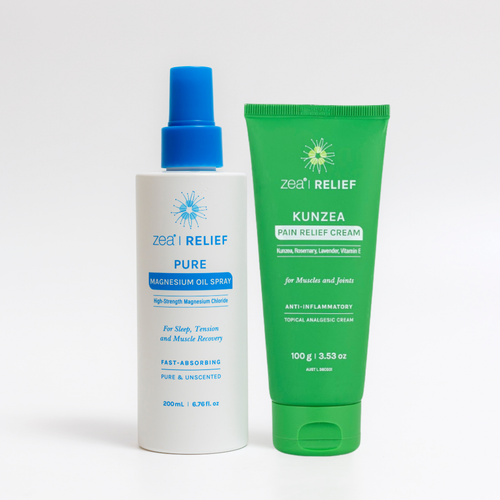
Complementary products: Apply Kunzea Pain Relief Cream to tense muscles before bed for extra comfort and relaxation.

This position is especially helpful for people with sciatica or lumbar stiffness, as it reduces the pressure that can aggravate nerve pain.
2. Back Sleeping (Supine) with Pillow Support
Sleeping on your back can also help relieve back discomfort if done correctly. Back sleeping encourages even weight distribution and maintains the natural curve of the spine. A pillow under your knees helps reduce strain on the lower back and can prevent disc-related pain from flaring up during the night.
Tips for back sleeping:
-
Pillow under knees: Slightly elevates the knees to maintain lumbar support.
-
Head and neck alignment: Use a medium-support pillow to keep the cervical spine neutral.
-
Relaxation tools: Consider a Natural Lupin Heat Pack for tense areas to relax muscles before bed.
-
Adjust for comfort: Some people may need a small towel or lumbar pillow for extra support under the lower back.
Back sleeping is particularly beneficial for those who suffer from disc issues or chronic stiffness, as it minimises pressure points and promotes spinal alignment.
3. Stomach Sleeping - Generally Not Recommended
Stomach sleeping forces the spine into an unnatural position and twists the neck, which can increase pain, stiffness, and long-term strain. It may be hard to avoid entirely if it’s your habitual position, but adjustments can reduce discomfort.
Tips if you must stomach sleep:
-
Thin or no pillow for the head: Reduces neck rotation and strain.
-
Pillow under the pelvis: Supports the lower back and prevents exaggerated arching.
-
Alternate positions: Try transitioning to side or back sleeping gradually with supportive pillows.
While stomach sleeping may feel comfortable for some, it is generally less supportive for spinal health and can exacerbate neck or back pain over time.
Best Sleep Positions for Neck Pain
1. Side Sleeping with Proper Pillow Support
Side sleeping can relieve neck strain if your pillow supports the head and neck at the right height, keeping the cervical spine neutral. Proper support prevents shoulder tension and reduces muscle strain.
Tips for neck support:
-
Pillow height: The pillow should fill the gap between your head and shoulder without tilting your neck.
-
Firmness: Medium-firm pillows often work best to support natural curvature.
-
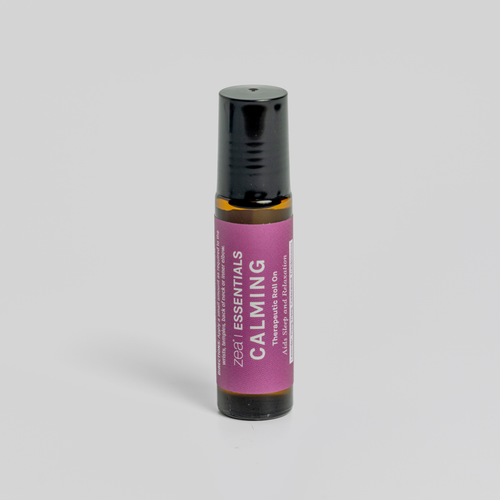
Targeted relaxation: Apply Kunzea Roll On to neck and shoulder muscles before bed with the easy applicator for soothing relief.
-
Switch sides periodically: Avoid sleeping on the same side every night to reduce muscle imbalance or shoulder strain.
Side sleeping is particularly helpful for those who experience cervical stiffness, tension headaches, or shoulder pain at night.
2. Back Sleeping (Neutral Neck Position)
Back sleeping with the right pillow can also be beneficial for neck pain. A medium-support pillow keeps your head neutral and aligns your neck with your spine, reducing strain on cervical muscles and ligaments.
Tips for back sleeping:
-
Pillow placement: Ensure the pillow supports the natural curve of your neck without pushing your head too far forward.
-
Extra support: Small rolled towels under the neck can help maintain alignment for those with chronic stiffness.
-
Combine with relaxation: Use the Concentrated Massage Oil to massage on tight neck muscles before sleep.
Back sleeping can be ideal for people who wake with neck stiffness or morning headaches, as it minimises rotational strain.
Quick Tips for Better Sleep Comfort
-
Choose the right pillow: Firmness depends on your sleep position - side sleepers may need a firmer pillow; back sleepers often benefit from a thinner pillow with knee support.
-
Support your spine with a mattress: Medium-firm mattresses help maintain proper spinal alignment.
-
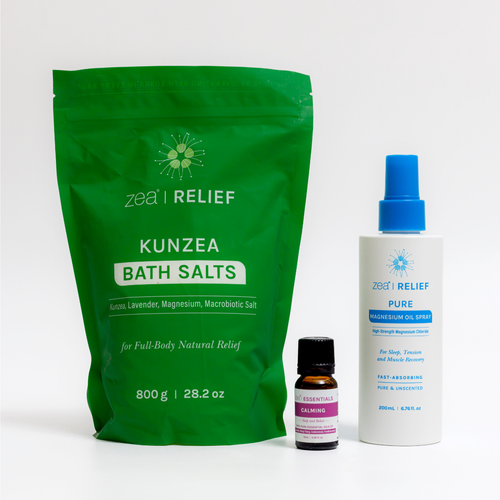
Relax before bed: Take a warm bath with Kunzea Bath Salts, practice gentle stretches, or apply a Kunzea Roll On.
-
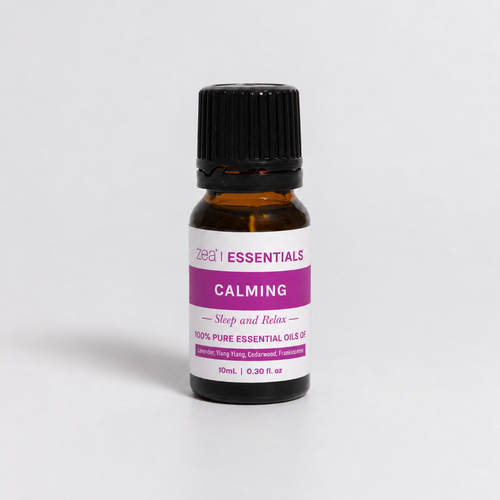
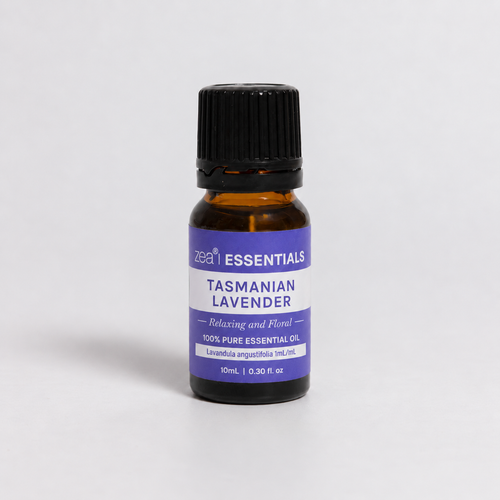
Create a calming environment: Use Zea Essential Oils or Diffusers for soothing aromas, and keep your bedroom cool, dark, and quiet.
-
Maintain a routine: Consistent bedtimes and wind-down rituals improve sleep quality and reduce pain sensitivity over time.

How Zea Can Help
Zea’s natural Australian-made products are designed to naturally support wellbeing, sleep and relaxation:
-
Kunzea Pain Relief Cream: Eases pain in muscles and joints to support bedtime comfort.
-
Magnesium Oil Topical Spray: Helps relax tight muscles for a calmer night.
-
Kunzea Roll On: Targets pulse points for fast, targeted relief.
-
Kunzea Bath Salts: Soothes muscles and creates a relaxing environment.
-
Essential Oils: Fill your space with calming aromas like Lavender and Kunzea for a more restful night.
Using these products alongside evidence-based sleep positions and techniques can help you wake feeling refreshed and ready for the day.
Summary
-
Side sleeping with pillow support and back sleeping with knee and head support are the most recommended positions for back and neck pain.
-
Stomach sleeping is generally discouraged due to increased strain on the spine and neck.
-
Proper pillows, mattress support, and relaxation routines improve comfort and sleep quality.
-
Zea’s natural, Australian-made products can enhance evening relaxation and support a restorative night’s sleep.
Explore our full Sleep & Relaxation Collection to discover natural solutions that help you sleep comfortably and wake up refreshed.
References
-
Mayo Clinic Staff. (2024, January 19). Sleeping positions that reduce back pain. Mayo Clinic. https://www.mayoclinic.org/diseases-conditions/back-pain/in-depth/sleeping-positions/art-20546852
-
Overmyer, H. (Ed.). Sleep posture. Sleep Foundation. https://www.sleepfoundation.org/sleeping-positions/sleep-posture?utm_source=chatgpt.com
-
Suni, E. (n.d.). How to sleep with lower back pain. Sleep Foundation. https://www.sleepfoundation.org/physical-health/how-to-sleep-with-lower-back-pain?utm_source=chatgpt.com
-
Harvard Health Publishing. (2022, February 2). Say “good night” to neck pain. Harvard Health. https://www.health.harvard.edu/pain/say-good-night-to-neck-pain